Fieldwork
In the Field.
Where research meets organizing.

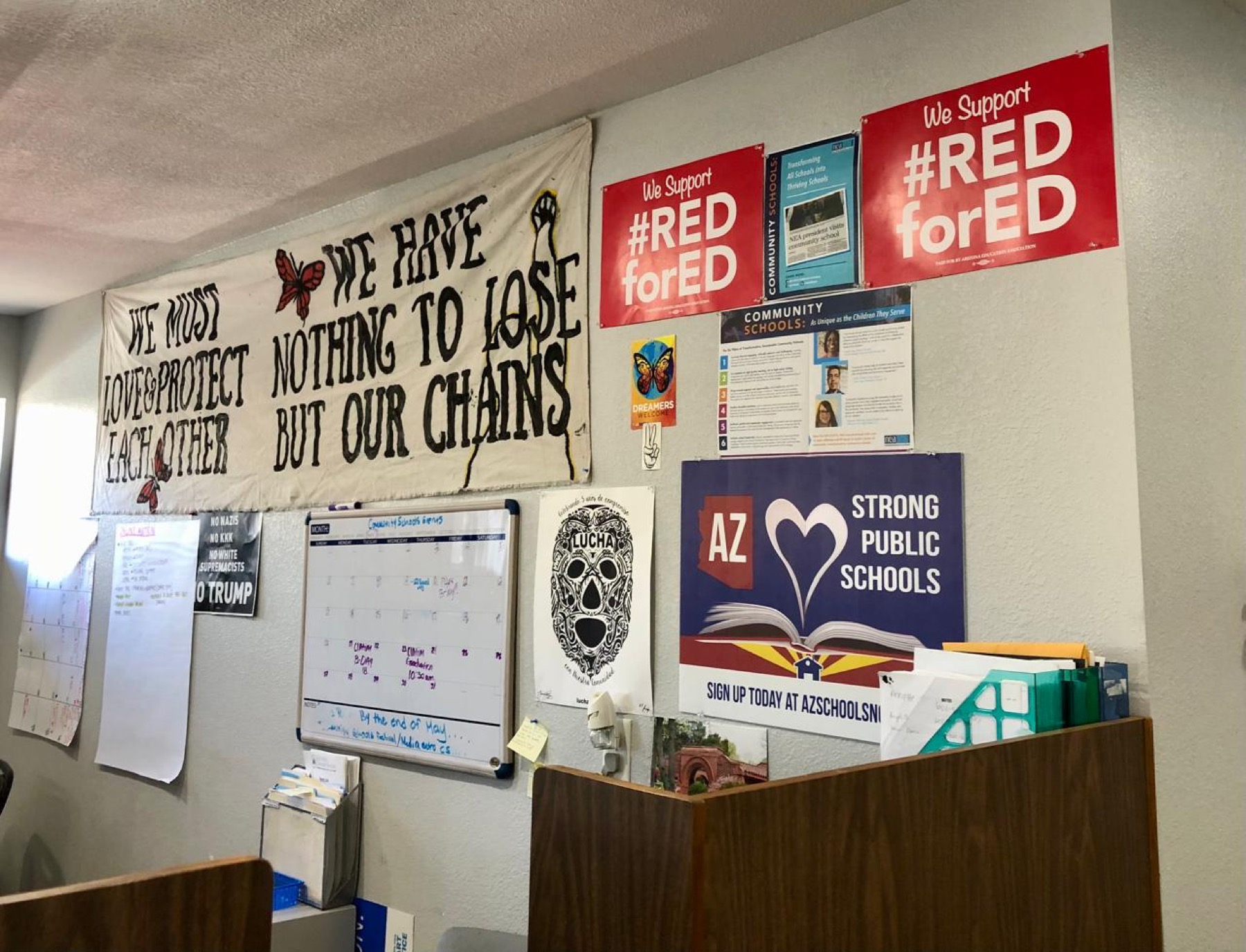
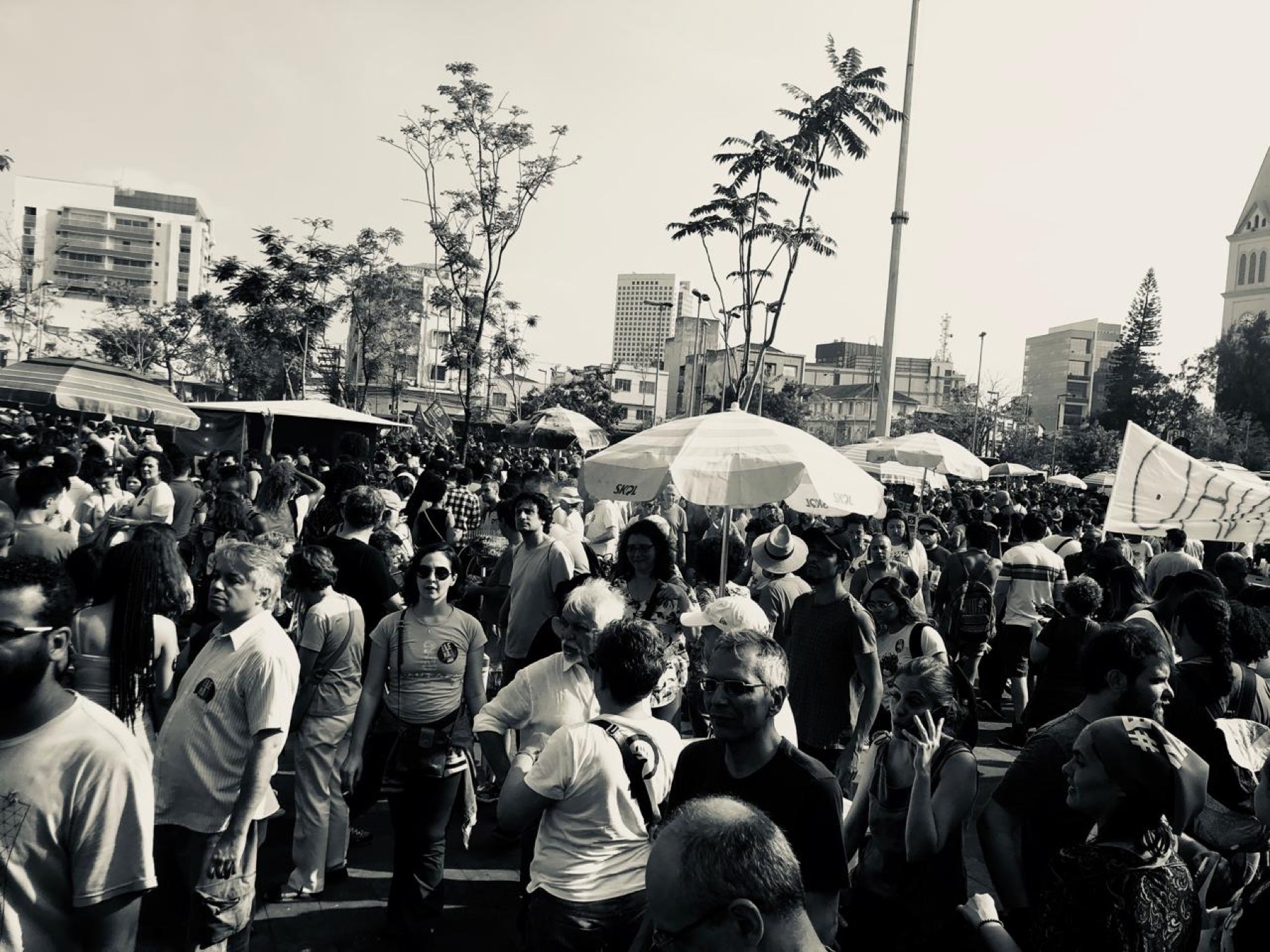
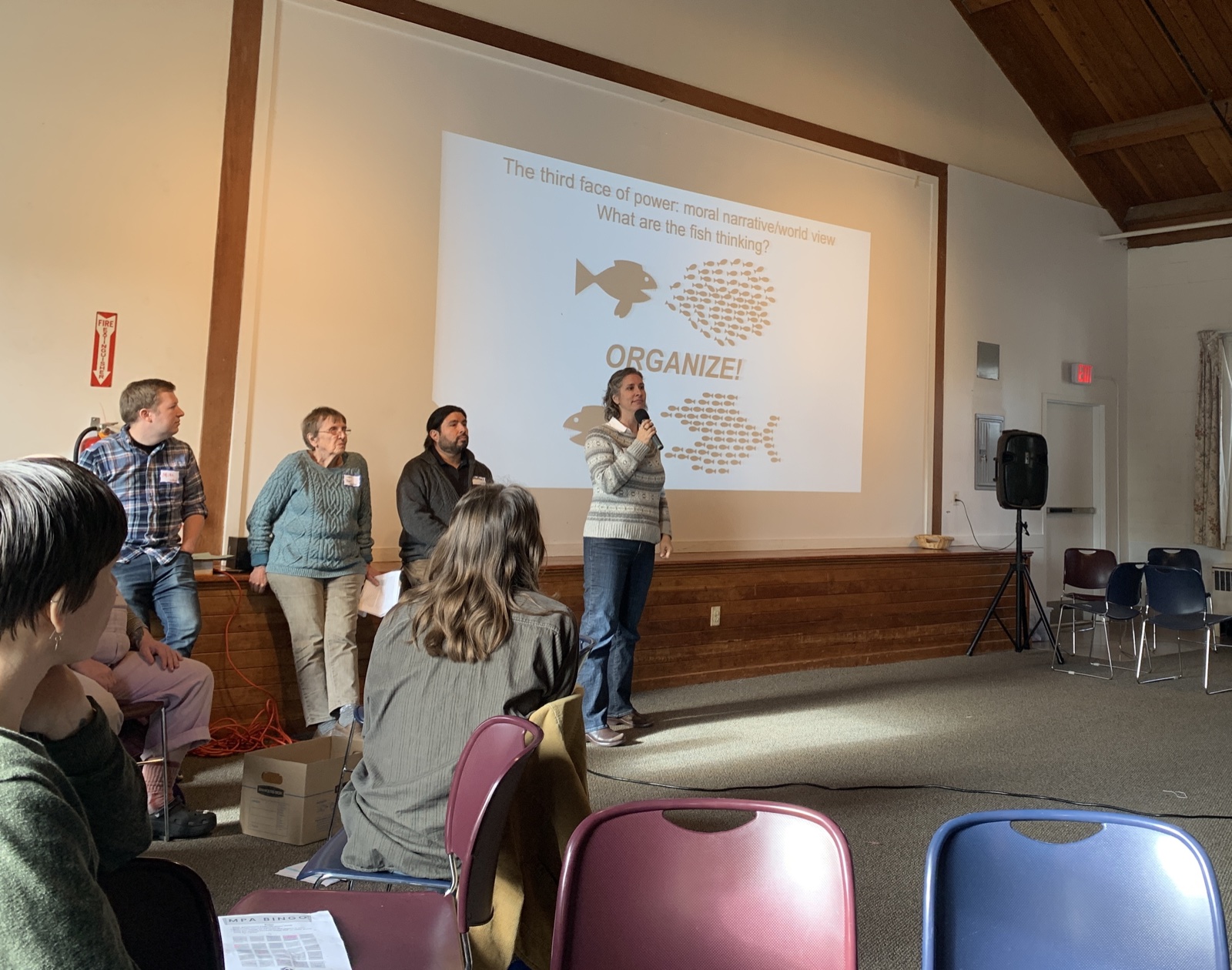
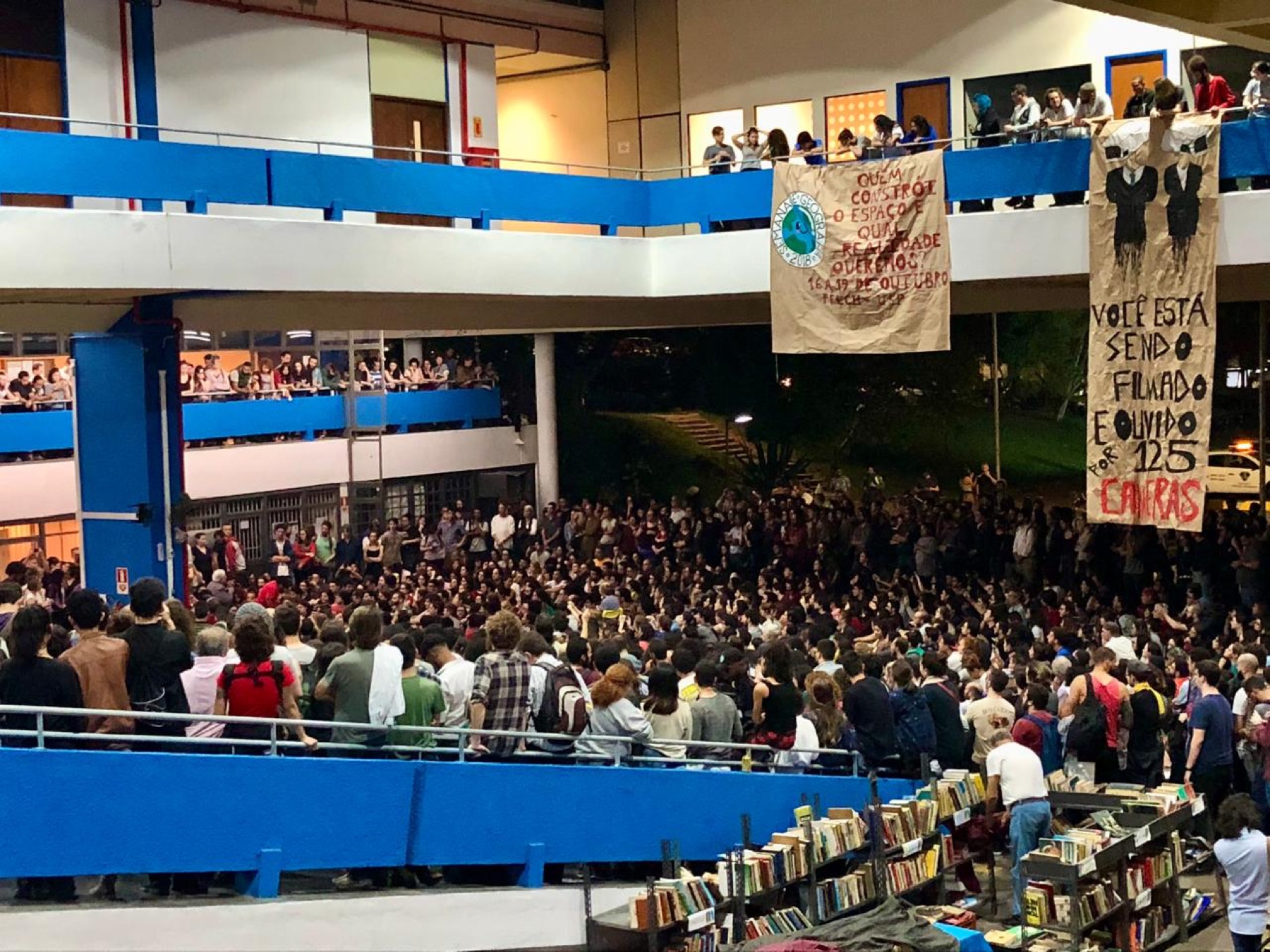


Tools, trainings, and the infrastructure that make new findings usable by the people doing the actual organizing. Built on a decade of practice with collaborating organizations and organizers.
Where research meets organizing.
The dominant civic-tech platforms are owned by investors. That shapes what they measure: doors knocked, dollars raised, RSVPs collected. The metrics that scale fastest and generate the most revenue.
The slower work of organizing can be counted too. One-to-ones, leadership development, the relationships that hold a base together over years. Existing platforms have fields for it, but the fields go unused, untrained on, and rarely feature in the reports staff get asked about.
Groundwork is designed around that slower work. It's open source. It's owned by the organizations using it. And we're standing up a governance board of partner organizers, practitioners, and researchers to decide how member data is handled, what gets built next, and what counts as acceptable use.
Open-source software for organizers. We're building it with the groups who use it. The platform tracks the day-to-day work of organizing: one-to-ones, leadership development, team formation, retention, and the long relational work between elections. Memo: read it here. Pitch deck: here.
Most civic tech platforms are buffets: every feature any campaign might want, none of them sharpened for the organizer logging one-on-ones or closing shifts at eleven at night to track who actually showed. Most of the time, the customer is the consultant or state director who signed the contract; the organizer is the user. The basic questions inside these tools (what counts as a leader, what data leaves an org, what acceptable use means) get answered commercially by default. Groundwork inverts that: practitioners shape what gets built, and govern how it's used.
Building real software for organizing now costs a tenth of what it used to. That's a time-limited window to reclaim this infrastructure from the private sector and place it in the hands of the people using it. Civic tech followed the AI pattern, not the internet pattern: the foundational layer was built in private, on commercial logic, before public-interest institutions could shape it. We've spent years alongside the organizations who'd use Groundwork, and the diagnosis above isn't theoretical. We know what to build because we've witnessed what's broken.
Built on five-plus years of practice with the organizations in the DPI Data Cohort. Rollout is staggered across the POLIS network: alpha with one or two organizations, beta with five to ten, then the full network. Through our partnership with the Organizing Lab, the platform will ship alongside training, so Groundwork enters an organization with practitioners who already know how to use it.
Groundwork is in early development. The model is a small engineering team embedded with partner organizers: sitting in on team meetings, shadowing one-to-ones, watching how data actually moves through an organization before deciding what the platform should track. Training will be delivered jointly with the Organizing Lab, whose curricula have trained thousands of organizers. We're hiring for the team and raising the funding to build it out.
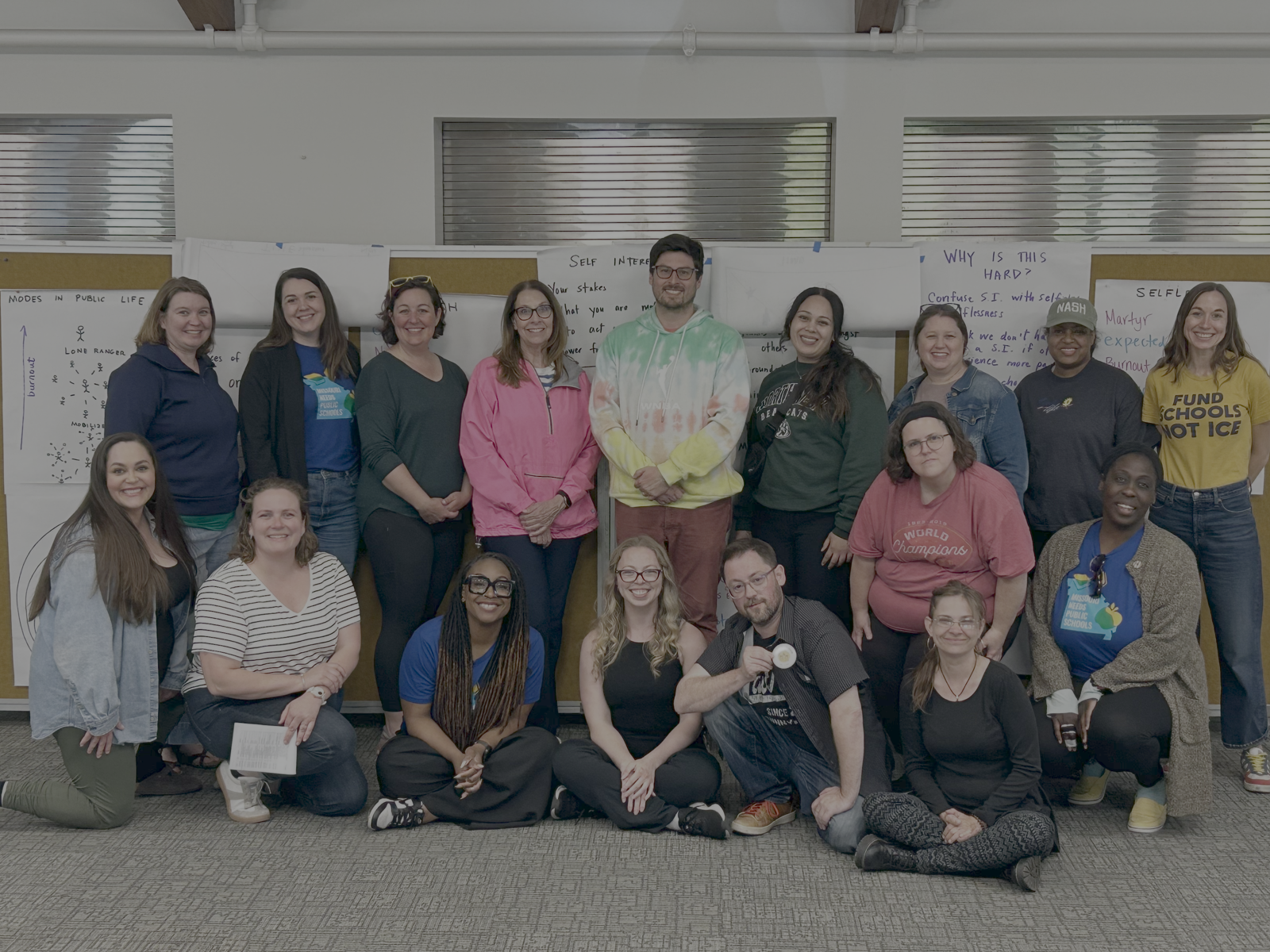
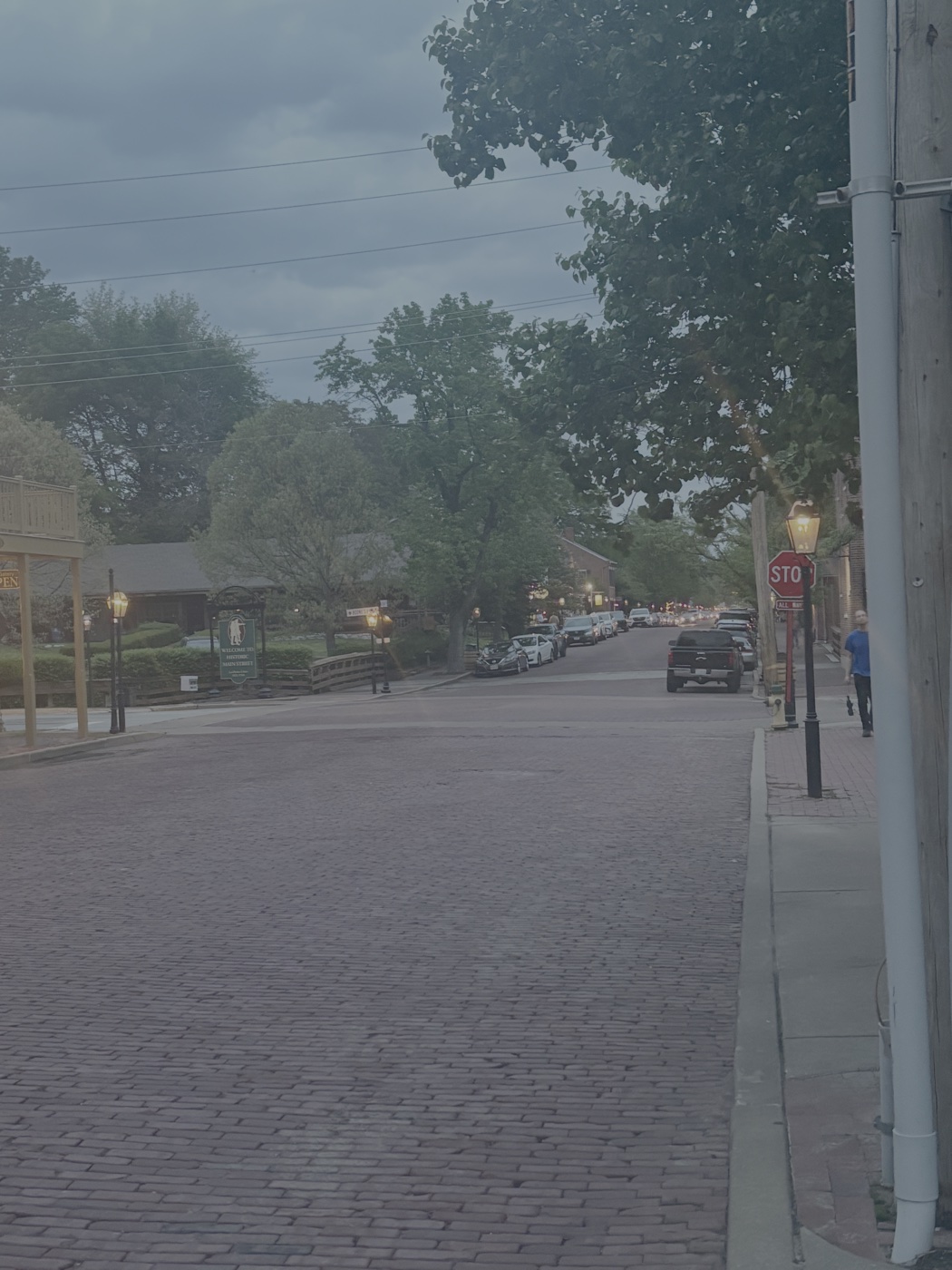
Groundwork's first deployment runs through the Missouri Organizing Incubator: a state-based project building durable democratic capacity in a place where the dominant civic-tech platforms have thin reach.
Whether the platform plus embedded engineering plus organizer training actually shifts the practice, not just whether the dashboards look right. Specifically: does adopting Groundwork measurably increase the rate at which leaders develop other leaders, and the durability of the relationships that hold a base together over time?
Measuring What Matters to Build a Multiracial Democracy · with Joy Cushman · Democracy & Power Innovation Fund, 2023
Voter turnout and protest participation have hit record highs, yet democracy keeps backsliding. The dominant civic engagement metrics (doors knocked, calls made, petitions signed, turnout rates) measure individual transactions, not the collective power that actually shifts political outcomes. This report, drawing on three years of practice-based research with twelve organizing groups in the DPI Organizing Lab, proposes a different framework.
The report is an invitation, not a verdict: an early attempt to make the invisible work of democratic power-building legible so we can talk about it, fund it, and improve it.
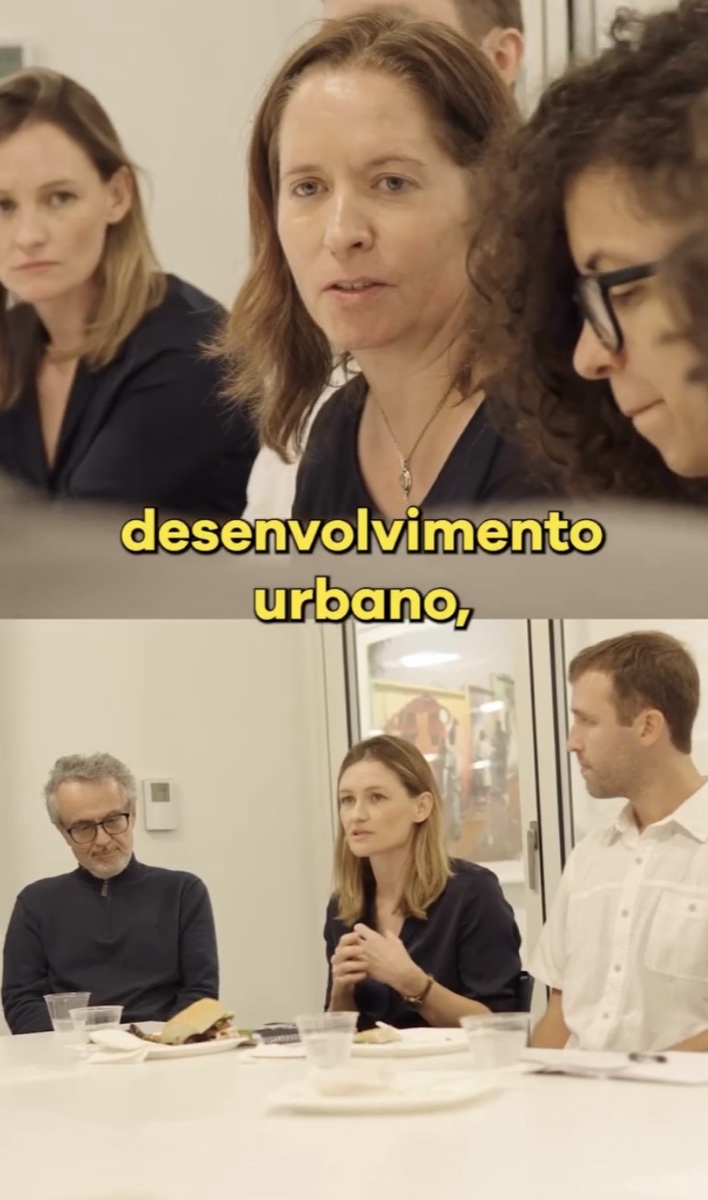

Our practice arm runs through a set of long-standing collaborations with intermediaries, funders, and civic-tech organizations, to help build field-owned democratic infrastructure.
If you or your organization are interested in learning more, we'd love to hear from you.
Submit a research or tooling spec →